
Selling a car yourself can put more control in your hands than a quick trade-in, but it also means you handle the paperwork. In Maryland, a few missed details, such as a blank line on the title or plates left on the car, can cause headaches long after the buyer drives away. This guide explains how to sell a car in Maryland as a private seller, step by step, from getting the title ready to returning your plates. It is written for owners in Laurel and across the DMV, including people selling before a move abroad and sellers dealing with buyers who plan to export the vehicle.
Before You List: Get the Title Ready
The certificate of title is the document that proves you own the car, so everything starts there. According to the Maryland MVA’s page on selling a vehicle, you must have a valid Maryland title in your name before you can sell. If the title is lost or damaged, request a duplicate first. If there is a loan on the car, the lien must be released before the sale.
Take a minute to check the details printed on the title, too. The MVA asks sellers to confirm that the vehicle identification number (VIN), the owner name or names and the address are correct, and to fix any errors before selling. Also compare the VIN on the title with the VIN on the car itself, and gather any lien release, service records and both keys.
Set Your Asking Price and Prepare the Car
Research what similar vehicles with comparable mileage, condition and features are listing for in your area. A realistic price brings serious buyers; an unrealistic one brings silence. Clean the car inside and out, remove personal items and take clear photos in daylight from every side, plus the interior, dashboard and odometer.
Write an honest listing. Include the year, make, model, mileage, known issues and how you prefer to be contacted.
Meeting Buyers and Handling Test Drives
- Meet in a public place during daylight, and bring someone with you if you can.
- Check the buyer’s driver’s license before a test drive, and ride along.
- Keep the title at home until you have agreed on a price and the payment is complete.
- Use a payment method you can verify. Confirm that funds are actually available to you before you sign anything over.
How to Complete the Sale in Maryland
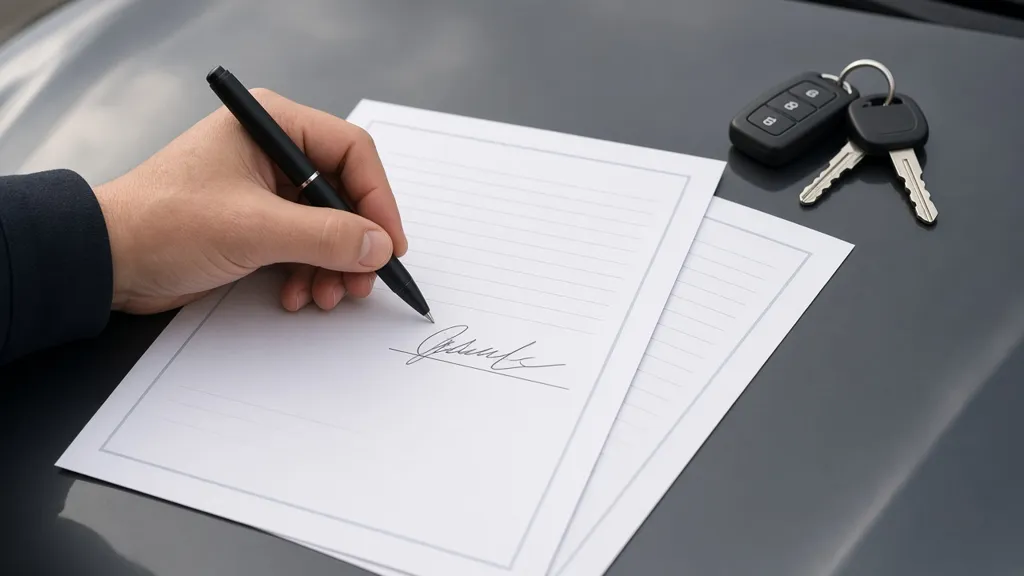
1. Fill out the back of the title
The MVA lists what sellers must add to the back of the title: the buyer’s name and address, the sale price, the odometer reading (which is required by federal law), the owner’s signature and the date of the sale. If more than one owner is listed, all owners must sign unless the title shows “OR” between the names. Never hand over a signed title with blank sections; the MVA lists leaving parts of the title blank as one of the common mistakes to avoid.
2. Provide a bill of sale
The MVA recommends a bill of sale because it protects both the buyer and the seller. It should include the vehicle information, sale price, date of sale and the names and signatures of the buyer and seller. Maryland also changed one rule recently: according to an MVA bulletin, effective October 1, 2026, a notarized bill of sale is no longer required for vehicles less than 7 years old sold by a private party. A clear, signed bill of sale is still good practice.
3. Remove your license plates
In Maryland, the plates stay with the seller, not the car. Remove them before the buyer takes possession and do not let the buyer drive on your plates. The buyer is responsible for titling and registering the car in their name, getting insurance and completing any required safety and emissions inspections. Once the sale is complete, the MVA notes that the seller is not responsible for those steps.
After the Sale: Plates, Insurance and Records
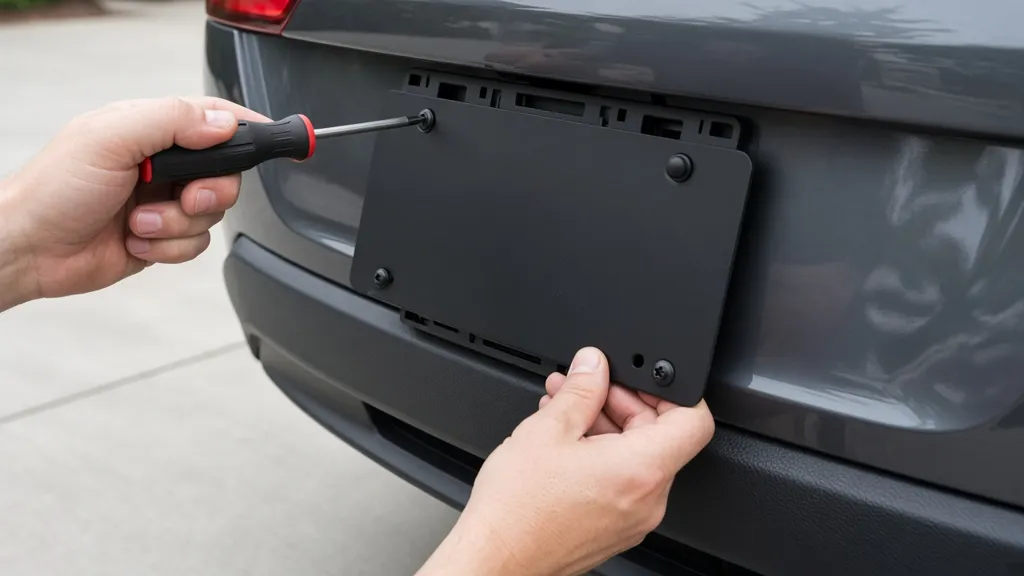
Your last jobs protect you from future fees and questions. The MVA’s guide to returning your license plates explains that you must return plates when you sell your vehicle, unless you are transferring them to another vehicle you own. You can drop them in a tag return box at an MVA location without an appointment. Keep your insurance active until you receive your tag return receipt, then cancel it.
- Keep copies of the completed title, front and back
- Keep a copy of the signed bill of sale
- Keep your plate return receipt
Selling to a Buyer Who Plans to Export the Car
The DMV region attracts many buyers who ship vehicles overseas. If your buyer plans to export, the paperwork matters even more. U.S. Customs and Border Protection explains on its motor vehicle export page that the title is central to the export process and that vehicles with a lien need a letter from the lienholder before they can leave the country. Selling a car with its lien already released and a correctly completed title makes the export step much smoother for your buyer.
If you are on the other side of that deal, our guide on how to buy a used car in the USA for export covers what export buyers check before paying, and our step-by-step guide on how to export a car from the USA explains what happens after the sale. For shipping options, see RoRo vs container shipping for cars.
Selling Your Car Before a Move
Many people sell their car as part of a bigger move, whether across the country or overseas. Start early: getting a duplicate title or a lien release can take time, and you will want your plates returned before you leave Maryland. If you are also leaving a rental, our neighbor Alomo Cleaning Services shares practical tips on how to get your security deposit back with a solid move-out clean.
Selling in Washington, DC or Virginia instead? The basic idea is similar, but title and plate rules differ by jurisdiction, so check with the DC DMV or the Virginia DMV before you sell.
How MastermindGOC Auto Trading Helps Sellers
MastermindGOC LLC is based in Laurel, Maryland, and helps clients across the DMV and around the world buy, sell and export vehicles. Through our Auto Trading service, we can help you:
- Understand market pricing so you know what a fair deal looks like
- Connect with interested buyers, including international buyers
- Get title and transfer paperwork in order
- Coordinate export-related paperwork when a buyer plans to ship the vehicle overseas
Frequently Asked Questions
Do I keep my license plates when I sell a car in Maryland?
Yes. In Maryland the plates stay with the seller. Remove them before the buyer takes the car and return them to the MVA, unless you are transferring them to another vehicle you own.
Do I need a notarized bill of sale?
According to the MVA, effective October 1, 2026, a notarized bill of sale is no longer required for vehicles less than 7 years old sold by a private party. The MVA still recommends providing a bill of sale to protect both sides.
Can I sell a car that still has a loan on it?
The MVA says a lien must be released before the sale. Talk to your lender about paying off the loan and getting the lien release before you transfer the title.
Ready to Sell Your Car?
If you want help pricing your vehicle, reaching buyers or getting the paperwork right, we would be glad to talk. Call +1 240-639-2059, email info@mastermindgoc.com or send a message through our contact page. MastermindGOC LLC is located at 11696 South Laurel Drive, Laurel, MD 20708, and serves the DMV and clients worldwide.